Digital Marketing Facebook Cover Ads: Your Brand's First Impression
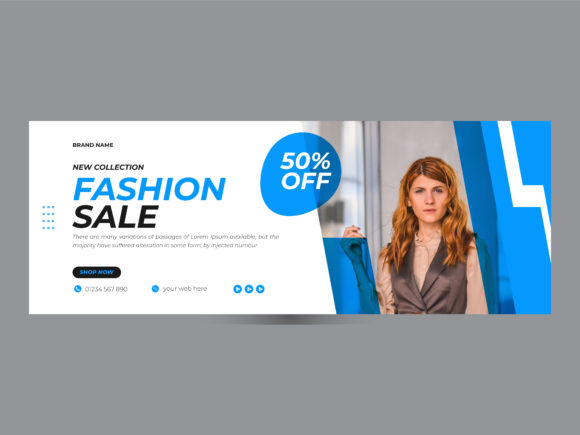
Let's be honest, your Facebook cover photo is prime real estate. It's the first thing visitors see, the billboard for your digital storefront. But creating a professional, cohesive look from scratch is a time sink. If you've been searching for a solid foundation, you've likely come across templates for Digital Marketing Facebook Cover Ads. This particular set, built with the Montserrat typeface, offers more than just a pretty picture—it's a strategic tool for building a recognizable brand identity.
More Than a Template: A Foundation for Brand Consistency
The core appeal of this Digital Marketing Facebook Cover Ads package lies in its thoughtful design system. The specifications—851px by 315px, RGB color, and 150 DPI—are tailored for crisp display on screens, ensuring your graphics look sharp on both desktop and mobile. The use of Montserrat, a popular Google Font, is a deliberate choice. This sans serif font is a workhorse of modern typography, known for its clean geometric lines and exceptional readability at various sizes. It communicates clarity, professionalism, and contemporary style without saying a word.
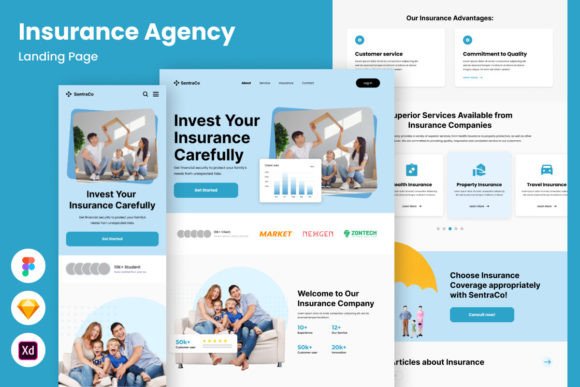
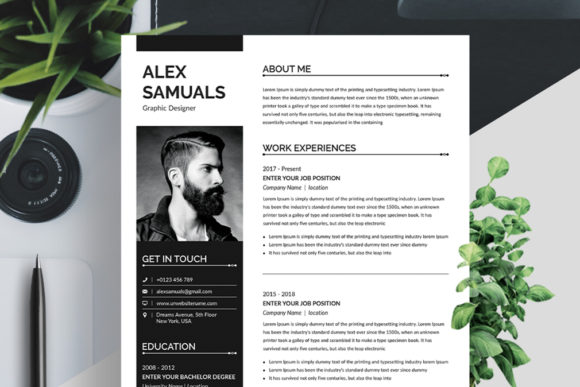
But the real value is in the editable structure. With fully editable files and well-organized layers, you're not just changing text. You're engaging in a form of digital marketing design that prioritizes control. The smart layers allow for effortless image swapping, meaning you can update your cover with new campaign visuals, seasonal promotions, or team photos in minutes. This level of customization is crucial for maintaining a dynamic and active social media presence, which is a key signal of a healthy brand to your audience.
Strategic Applications: Where This Design Asset Shines
Understanding the font's personality is one thing; knowing where to apply it is another. Montserrat excels in contexts where legibility and a modern feel are paramount. For logo design, it can form a strong, foundational wordmark, especially for startups, tech companies, and service-based businesses. In web design, it serves beautifully as a heading font or for body copy where you need a clean, uncluttered aesthetic.
For social media graphics—the very purpose of this template—its neutrality is a strength. It pairs well with a wide range of other typeface options. You could combine it with a serif font for a touch of elegance in an editorial layout, or with a script font for a creative, personal touch in packaging design or blog graphics. The key is that Montserrat doesn't compete; it supports. This makes the template an excellent starting point for brand identity projects, allowing you to test how your core messaging and visuals interact with a reliable typographic base.
Making It Work: Practical Tips for Designers and Entrepreneurs
So, you've downloaded the Digital Marketing Facebook Cover Ads files. What's next? First, resist the urge to overhaul everything immediately. Start by evaluating the existing hierarchy. Notice how the template likely uses different weights of Montserrat (like Light, Regular, and Bold) to create visual order. This is a fundamental principle of visual hierarchy—using font weight, size, and spacing to guide the viewer's eye from the most important element (your value proposition) to the least important (supporting details).
Next, consider your font pairing. While Montserrat is versatile, pairing it with a complementary premium font can elevate your design. For a professional, authoritative look, try pairing it with a classic serif font like Playfair Display for headlines. For a more friendly, approachable vibe, a handwritten font could add personality for a craft blog or boutique. Always test these pairings at the actual size they'll be used to check for readability and aesthetic harmony.
Finally, think about consistency. Use this Facebook cover as the cornerstone of your social media graphics. Pull the color palette and typographic style into your Instagram posts, Twitter headers, and even your email marketing templates. This repetition builds recognition. Whether you're a blogger, publisher, small business owner, or content creator, this approach turns a single design asset into the seed of a cohesive visual language. The template isn't the end product; it's the beginning of a more professional and recognizable online presence.