Transform Your Menu with a Stunning Wine Menu Mockup
Why Your Wine List Needs More Than Just Text
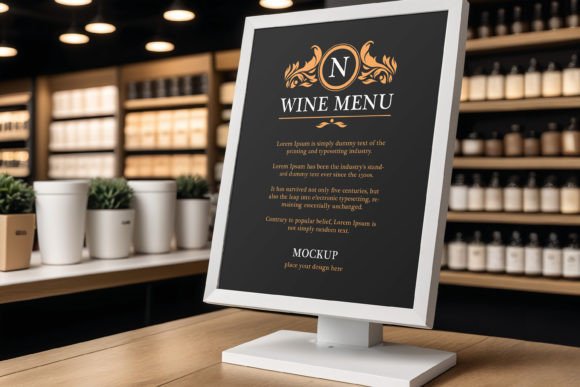
In the hospitality industry, the menu is often the first physical interaction a guest has with your brand. A generic list of wines typed out on plain paper fails to capture the romance of the vineyard or the sophistication of your establishment. This is where a high-quality Wine Menu Mockup becomes an indispensable tool. It is not just a placeholder; it is a strategic asset that allows you to visualize how your wine offerings will look in a real-world setting before going to print. By utilizing a mockup, you move beyond simple text and enter the realm of visual storytelling, ensuring that the first impression is one of elegance and quality.
A well-crafted mockup serves as a bridge between your digital design software and the physical product. It allows you to see exactly how your typography choices, color palette, and layout interact with the physical medium. For instance, you might find that a delicate script font looks beautiful on screen but becomes illegible when printed on a textured menu card. The mockup reveals these nuances early, saving you time and money on reprints while ensuring the final product meets the high standards of your establishment.
Crafting a Recognizable Brand Identity
Consistency is the cornerstone of effective branding. Your wine menu should feel like a natural extension of your restaurant’s interior design and service style. When you download a Wine Menu Mockup, you are provided with a canvas to test your brand identity elements—your logo, specific color scheme, and overall graphic style. This process helps create a cohesive atmosphere. Imagine a rustic Italian trattoria; the mockup allows you to visualize how a heavy, textured paper stock pairs with a serif typeface to evoke a sense of tradition and authenticity.
The visual characteristics of the mockup itself play a significant role in this process. High-resolution files, such as the PSD format with dimensions of 3500x2500 px, offer the clarity needed to scrutinize the finest details. You can zoom in on the edge of the menu to check for pixelation or ensure that the lighting effects on the mockup match the ambient lighting of your dining room. This level of detail ensures that your design assets are not just visually appealing but also contextually appropriate for your specific venue.
Enhancing Information Hierarchy and Readability
A beautiful design is useless if it hinders the guest's ability to order. The primary function of a menu is to provide clear information. A Wine Menu Mockup helps you evaluate the hierarchy of your content. You can experiment with how to present essential details—such as the wine name, grape variety, region, vintage, and price—in a way that guides the eye naturally. Effective visual hierarchy ensures that a guest can quickly scan the page to find a bold Cabernet Sauvignon or a crisp Sauvignon Blanc without feeling overwhelmed by clutter.
Readability is heavily influenced by the interplay between the background texture of the menu and the typography. A modern sans-serif font might work perfectly on a clean, white mockup, but if your actual menu features a dark, moody background, contrast becomes critical. Using the mockup, you can test different opacity levels and font weights to ensure that the description of the wine’s taste profile is accessible to everyone, regardless of the lighting conditions in your bar.
Strategic Placement and Pairing Recommendations
Modern menu design goes beyond listing inventory; it acts as a silent salesperson. By incorporating a section for food pairings, you add value to the guest experience and increase the average check size. A Wine Menu Mockup allows you to design these sections with intention. You can create a layout that subtly highlights recommended pairings—perhaps a Pinot Noir alongside a roast duck suggestion—using callout boxes or distinct typography styles that complement the main list.
This strategic placement helps visitors make decisions with confidence. When the design clearly separates the wine descriptions from the pairing suggestions, the information becomes digestible. This is particularly important for casual wine drinkers who may feel intimidated by a dense wall of text. The mockup serves as a testing ground to find the perfect balance between informational density and white space, ensuring the menu is welcoming rather than exclusionary.
Practical Applications for Designers and Entrepreneurs
The utility of a Wine Menu Mockup extends beyond the restaurant owner. For graphic designers and freelancers, it is a presentation tool. When pitching a menu redesign to a client, presenting a static PDF often fails to capture the tactile quality of the design. Placing your design into a realistic mockup—showing the menu resting on a marble countertop or held in a server's hand—provides context that sells the concept effectively. It demonstrates professionalism and attention to detail.
For content creators and bloggers in the lifestyle or food niche, these mockups serve as high-quality props for editorial design and social media graphics. A stylized image of a wine list can enhance a blog post about summer wines or a social media campaign for a wine tasting event. The versatility of the PSD file format allows for easy customization, enabling you to adjust shadows, lighting, and backgrounds to match the specific aesthetic of your publication or feed.
Key Elements of an Effective Design
When selecting or creating a wine menu, certain design elements are non-negotiable for success:
- Typography Selection: Choosing the right typeface is paramount. A script font might add elegance but can be hard to read in low light. A sturdy serif font often conveys tradition and reliability.
- Color Psychology: Deep reds and warm golds often evoke feelings of luxury and appetite, while crisp whites and cool blues suggest freshness and modernity.
- Material Texture: The mockup should reflect the intended paper stock. Does it look like thick cardstock, recycled paper, or a laminated sheet? Texture impacts the perceived value of the wine.
- Whitespace Management: Avoid the temptation to fill every inch. Adequate margins and spacing between items allow the design to breathe and make the menu easier to navigate.
Ultimately, the goal of using a Wine Menu Mockup is to harmonize the visual and informational elements of your offering. It is about creating an experience that begins the moment the guest opens the menu. By investing time in the design phase and utilizing high-quality mockups, you ensure that your wine list not only informs but also delights, setting the stage for a memorable dining experience.